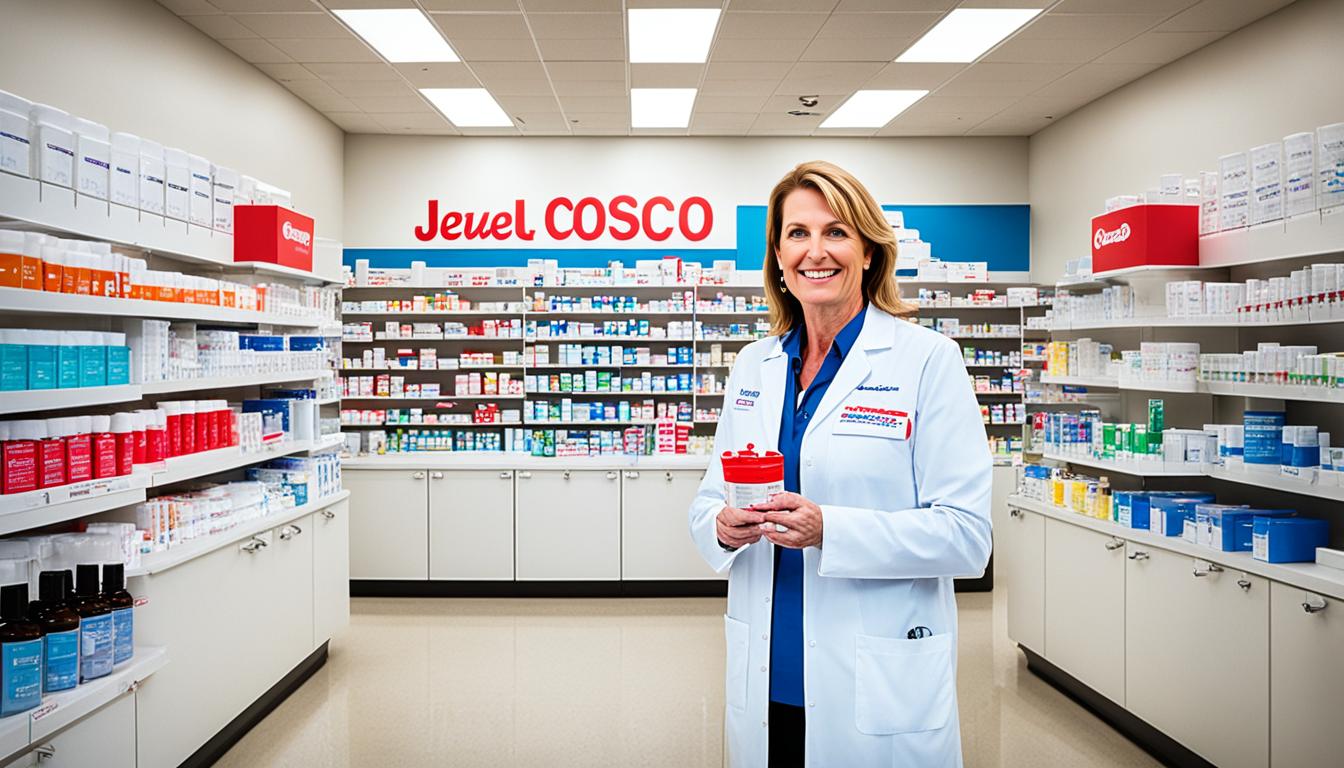


24-hour pharmacies are becoming less common in major U.S. cities due to rising automation, digital health services, and changing consumer preferences. Many cities have scaled back or closed late-night hours, focusing more on digital solutions like online prescriptions and same-day delivery. While some still operate around the clock, technology is transforming how you access medications. To discover how these shifts are shaping pharmacy services and what to expect moving forward, keep exploring these trends in detail.
Key Takeaways
- Many major U.S. cities have reduced or closed their 24-hour pharmacy services in recent years.
- Automation and digital solutions have decreased the need for around-the-clock physical pharmacy hours.
- Prescription delivery services often provide 24/7 access, reducing reliance on late-night pharmacy visits.
- Consumer preferences are shifting toward online management and same-day delivery over traditional 24-hour operations.
- Overall, 24-hour pharmacies are becoming less common in major urban areas due to technological and service model changes.

Have 24-hour pharmacies become a thing of the past in major U.S. cities? It’s a question many people are asking as the landscape of healthcare and pharmacy services shifts rapidly. In the past, these around-the-clock establishments were essential for late-night emergencies, early morning needs, and convenience. But today, the rise of pharmacy automation and prescription delivery services has changed how you access medications, often reducing the need for 24-hour operation.
Pharmacy automation plays a significant role in this transformation. Modern pharmacies now use advanced systems to manage inventory, fill prescriptions quickly, and ensure accuracy—all without the need for constant human oversight. Automated machines can prepare medications faster and more precisely, allowing pharmacies to operate efficiently during limited hours. This technology diminishes the necessity of keeping a pharmacy open 24 hours, especially in areas where foot traffic and demand aren’t as high overnight. Automation technology also ensures consistent quality and safety standards that can sometimes be challenging with manual processes.
Automation streamlines pharmacy operations, reducing the need for 24-hour hours and improving accuracy and efficiency.
Meanwhile, prescription delivery services have become a game-changer. Instead of rushing to the pharmacy at odd hours, you can now have your medications delivered directly to your doorstep. These services operate around the clock in many cases, ensuring you get your prescriptions when you need them without the inconvenience of travel or waiting in lines. This shift toward digital convenience means that even if a pharmacy isn’t open late into the night, your needs are still met promptly and safely. The integration of digital health services into traditional pharmacy models underscores the changing landscape of healthcare accessibility.
As a consumer, you’re likely to notice that many major city pharmacies have scaled back their late-night hours or closed altogether. The focus has shifted from physical accessibility to digital and automated solutions, making healthcare more flexible and personalized. You might find that your local pharmacy now offers online prescription management, automatic refills, and same-day delivery options, all designed to keep your medication routine uninterrupted.
This evolution isn’t just about convenience; it’s also about safety and efficiency. Automation reduces errors, and delivery minimizes the risk of exposure in busy pharmacy environments. While some still miss the personal touch of a 24-hour pharmacist available for consultation, the overall trend is toward smarter, more accessible solutions that meet today’s fast-paced lifestyle. Additionally, pharmacy automation helps ensure consistent quality and safety standards that can sometimes be challenging with manual processes.
In essence, the era of 24-hour pharmacies is waning in many major cities, replaced by a new model focused on automation and delivery. You benefit from this shift through greater convenience, quicker access to medications, and a more integrated healthcare experience—without sacrificing safety or quality. As technology continues to advance, expect these services to become even more seamless, making the traditional 24-hour pharmacy model less relevant in the future.

Rx-4 Automatic Pill Counting Machine – Compact Digital Tabletop Pharmaceutical Counter for Pharmacies, Doctors, and Veterinarians.
EASY TO USE: Eliminate hand counting tablets and capsules. The RX-4 automated pill counter’s easy-to-read LED display and…
As an affiliate, we earn on qualifying purchases.
As an affiliate, we earn on qualifying purchases.
Frequently Asked Questions
What Factors Influence the Availability of 24-Hour Pharmacies Today?
The availability of 24-hour pharmacies depends on factors like pharmacy staffing and medication security. You’ll find them more common in busy urban areas where staffing is sufficient to cover late hours. Concerns about medication security also influence their presence, as some regions limit late-night operations to prevent theft or misuse. If staffing levels are high and security measures are strong, you’re more likely to see 24-hour pharmacies operating smoothly.
Are There Specific Cities Where 24-Hour Pharmacies Are More Prevalent?
Think of cities as bustling hubs where 24-hour pharmacies thrive—places like New York City, Los Angeles, and Chicago, where urban density fuels their prevalence. Major retail chains often keep these pharmacies open around the clock to serve diverse, busy populations. In these urban centers, convenience is king, making 24-hour pharmacies more common, ensuring you can access medications whenever you need, no matter the hour.
How Do 24-Hour Pharmacies Impact Emergency Healthcare Access?
24-hour pharmacies greatly improve emergency healthcare access by providing nighttime medication when regular pharmacies are closed. You can rely on them for urgent needs like sudden illnesses, injuries, or prescriptions, ensuring you get timely treatment. Their round-the-clock service offers peace of mind, especially during emergencies, allowing you to access essential medications anytime. This constant availability helps prevent delays and supports your overall health and safety around the clock.
Have Technological Advances Reduced the Need for 24-Hour Pharmacy Services?
They say necessity is the mother of invention, but technology hasn’t entirely replaced 24-hour pharmacy services. Advances like pharmacy automation streamline operations, reducing staffing challenges and making extended hours less critical. However, some cities still rely on 24-hour pharmacies for emergency needs, especially in areas where automation can’t meet all demands. So, while tech helps, it hasn’t fully eliminated the need for around-the-clock access.
What Are the Safety Concerns Associated With 24-Hour Pharmacy Operations?
You should be aware that safety concerns with 24-hour pharmacies include issues like nighttime security risks and the potential for medication errors. During late hours, reduced staff may lead to mistakes or oversight, and security can be compromised, increasing theft or other incidents. These factors highlight the importance of strict protocols and security measures to guarantee both staff and customer safety during all operating hours.
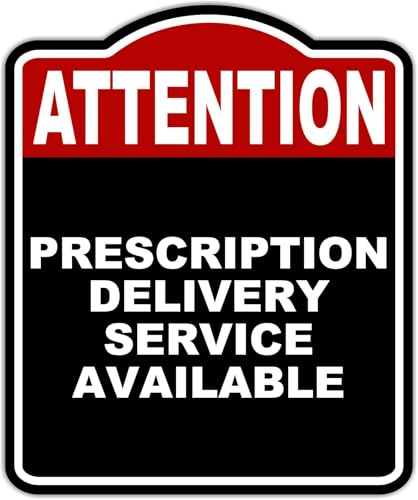
PRESCRIPTION DELIVERY SERVICE AVAILABLE Attention Red Black Aluminum Composite Sign 8.5 x 10 inches
Aluminum Composite Construction: Crafted from lightweight yet sturdy aluminum composite, these signs resist rust, corrosion, and wear for…
As an affiliate, we earn on qualifying purchases.
As an affiliate, we earn on qualifying purchases.
Conclusion
So, after all that talk about the decline of 24-hour pharmacies, you might think they’re a thing of the past. Ironically, in major cities, they’re still hanging around, ready to serve you in the middle of the night—just when you think you’re out of options. While they may not be as common as before, they’re a comforting reminder that sometimes, the convenience of late-night access is still just around the corner, if you know where to look.

Managing Risk in Organizations: A Guide for Managers (Jossey Bass Business & Management Series)
As an affiliate, we earn on qualifying purchases.
As an affiliate, we earn on qualifying purchases.
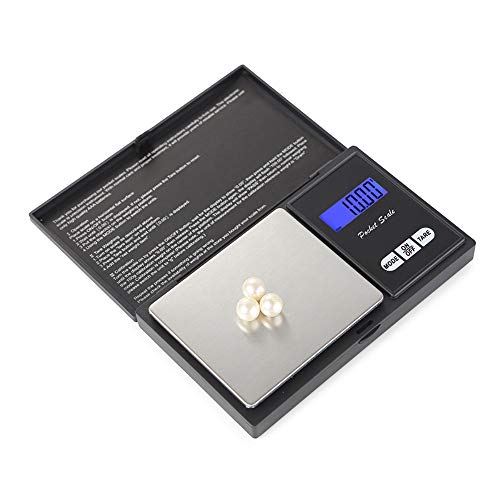
Precision Pocket Scale 500g x 0.01g, LCD Display Gram Scale Small Food/Jewelry Scale Ounces/Grains Scale with Backlit LCD, Great for Travel
This pocket scale allows you to weigh up to 500 grams and 0.01 gram accuracy to ensure your…
As an affiliate, we earn on qualifying purchases.
As an affiliate, we earn on qualifying purchases.