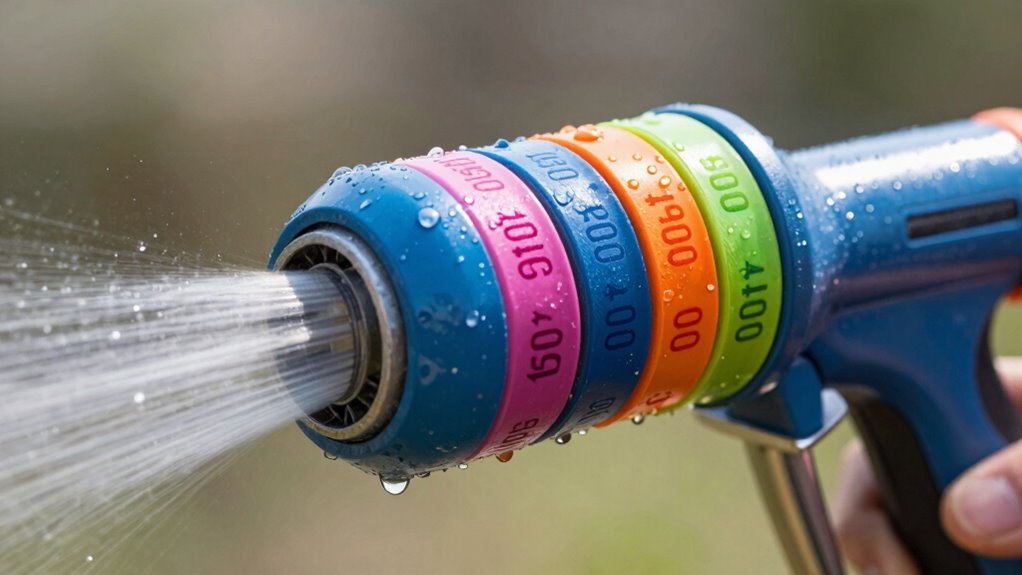

PSI, or pounds per square inch, measures the water pressure your pressure washer produces. A lower PSI (1300-1900) is good for light tasks like washing cars or furniture, while higher PSI (2500-3000+) tackles tough jobs like cleaning driveways or brickwork. Using the right PSI prevents damage and extends your equipment’s life. If you’re curious how to match PSI to your cleaning tasks and guarantee safety, there’s more to discover below.

Get everyday essentials delivered free with Prime
- Fast, free delivery on millions of items
- Prime Video, Amazon Music and more included
- Member-only deals all year
Key Takeaways
- PSI measures the water pressure a pressure washer can produce, affecting cleaning power.
- Lower PSI (1300-1900) suits cars and furniture; higher PSI (2500+) cleans tough surfaces like driveways.
- Adjusting PSI helps prevent damage to delicate surfaces while optimizing cleaning efficiency.
- Proper nozzle selection works with PSI to control spray pattern and pressure.
- Using the right PSI level extends equipment lifespan and ensures safe, effective cleaning.
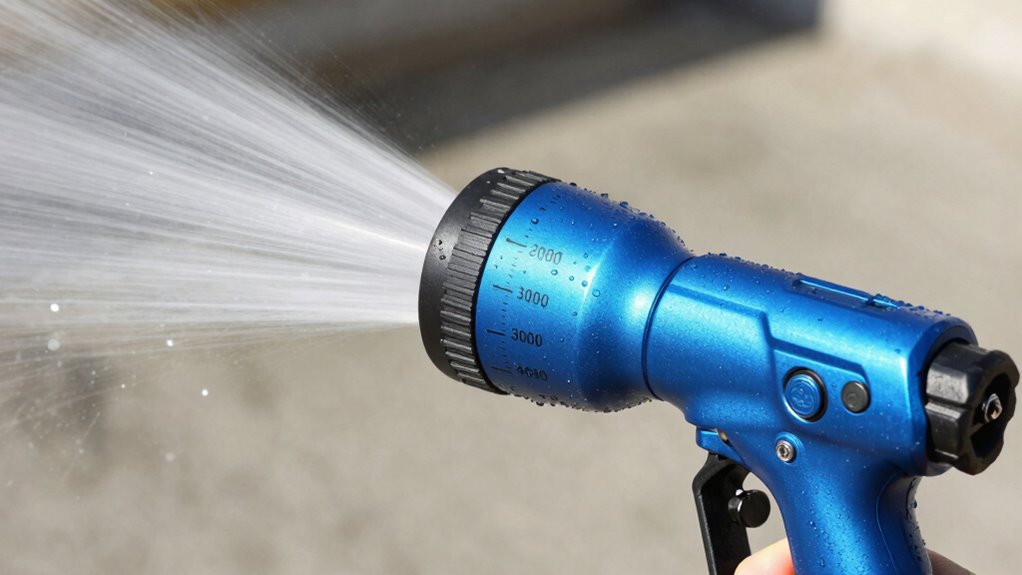
When choosing a pressure washer, understanding PSI numbers is essential because they directly affect cleaning power. PSI, or pounds per square inch, indicates how much pressure the machine can generate. The higher the PSI, the more force you’ll have behind the water stream, which translates into better cleaning effectiveness. For light tasks like washing cars or outdoor furniture, a pressure washer with a PSI around 1300 to 1900 will usually do the trick. But if you’re tackling tougher jobs like cleaning driveways, brickwork, or large decks, you’ll want something with a higher PSI—around 2,500 to 3,000 or more. Knowing these numbers helps you match the right pressure level to the task, ensuring you get the most suitable results without damaging surfaces.
But it’s not just about power. PSI also plays a role in how durable your equipment remains over time. Using a pressure washer with too high a PSI on delicate surfaces can cause damage, but it can also strain the machine itself. A washer with excessively high PSI might seem efficient, but it can put unnecessary stress on seals, hoses, and other components, leading to faster wear and tear. Additionally, proper maintenance of your pressure washer can extend its lifespan and keep it operating at optimal PSI levels. It’s also important to consider the pressure setting adjustments on your washer. Many models allow you to change the PSI, giving you control over the cleaning intensity. This flexibility is valuable because it lets you adapt to different surfaces and dirt levels without risking damage or overworking the machine. Remember, higher PSI isn’t always better; it’s about choosing the right pressure for the job at hand. For example, delicate sidings or painted surfaces need lower PSI settings to prevent peeling or scratching, while stubborn grime on concrete requires more force. Understanding the pressure regulation features on your pressure washer can help you avoid misuse and prolong its lifespan. Additionally, being aware of pressure safety precautions can prevent accidents or damage during operation, ensuring a safer cleaning process. Using appropriate nozzles also plays a crucial role in controlling the water pressure and spray pattern for different tasks. Properly understanding and utilizing these pressure control features can maximize efficiency and safety during use.
pressure washer with adjustable PSI
As an affiliate, we earn on qualifying purchases.
As an affiliate, we earn on qualifying purchases.
Frequently Asked Questions
How Does Water Flow Rate Affect Cleaning Performance?
Water flow rate directly impacts your cleaning performance by determining how much water passes through the pressure washer per minute. Higher water flow increases cleaning efficiency because it delivers more water to loosen dirt and grime faster. When you boost water flow, you’ll notice quicker, more thorough cleaning, especially on larger surfaces. So, for tough or extensive tasks, choose a pressure washer with a higher water flow rate to get the best results.
Are Higher PSI Washers More Suitable for Delicate Surfaces?
Higher PSI washers aren’t ideal for delicate surfaces because they can cause surface damage due to their increased pressure. If you’re working with sensitive surfaces, opt for a lower PSI setting or use a nozzle with a wider spray angle to reduce surface sensitivity. This approach helps prevent surface damage while still cleaning effectively, ensuring you protect delicate materials from unnecessary harm.
Can PSI Ratings Vary Between Different Brands?
Think of PSI ratings like fingerprints—unique to each brand. Yes, PSI variations can occur between different brands, so you shouldn’t assume consistent readings across all models. Brand consistency isn’t always guaranteed, meaning a washer with 3000 PSI from one brand might not deliver the same power as another with the same rating. Always check specific product specs and user reviews to verify you get the right pressure for your needs.
What Safety Precautions Should I Take With High PSI Washers?
When using high PSI pressure washers, you should always wear safety gear like goggles and gloves to protect yourself from debris. Make certain to use proper pressure regulation to avoid damaging surfaces or causing injuries. Keep a safe distance from the spray and never point the nozzle at yourself or others. Regularly inspect hoses and connections, and follow the manufacturer’s safety instructions to guarantee safe operation.
How Often Should I Service or Maintain My Pressure Washer?
Think of your pressure washer as a trusted friend; you need to care for it regularly. You should perform basic maintenance every 3-6 months, depending on usage, including checking hoses, filters, and oil levels. Follow a proper maintenance schedule and store it in a dry, sheltered place with the water drained to prevent damage. Regular upkeep guarantees your washer performs at its best and lasts for years.
best pressure washer for driveway cleaning
As an affiliate, we earn on qualifying purchases.
As an affiliate, we earn on qualifying purchases.
Conclusion
Understanding PSI numbers isn’t just about numbers; it’s about revealing the power to clean with confidence. When you grasp what PSI can do, you’re not just wielding a tool—you’re commanding a force of nature, taming dirt and grime with precision. So, next time you pick up your pressure washer, remember: PSI is your secret weapon in the battle for spotless surfaces. After all, isn’t it time you let your pressure washer speak for itself?
As an affiliate, we earn on qualifying purchases.
pressure washer nozzles for different surfaces
As an affiliate, we earn on qualifying purchases.
As an affiliate, we earn on qualifying purchases.
Fall Picks
fall essentials
As an affiliate, we earn on qualifying purchases.