
TL;DR
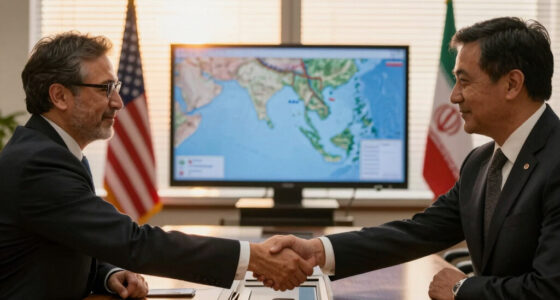
Recent military confrontations and diplomatic signals suggest escalating tensions between the U.S. and Iran. While a full-scale war is not confirmed, the risk is increasing according to analysts. The situation remains fluid and uncertain.
Recent military exchanges and diplomatic statements indicate that tensions between the United States and Iran are intensifying, raising fears of a potential all-out war. While the situation remains tense, Iran plans dayslong funeral for Supreme Leader Khamenei after war death. While no official declaration of war has been made, analysts warn that the risk of conflict is increasing amid ongoing confrontations.

Get everyday essentials delivered free with Prime
- Fast, free delivery on millions of items
- Prime Video, Amazon Music and more included
- Member-only deals all year
U.S. officials have reiterated commitments to protecting regional interests and preventing Iran from acquiring nuclear weapons, while Iran continues to assert its right to defend itself against foreign threats. Both sides have engaged in recent exchanges of threats and warnings, with some analysts describing the situation as approaching a ‘danger zone.’
Potential Impact of a Broader U.S.-Iran Conflict
This escalation matters because a wider conflict could destabilize the Middle East, threaten global oil supplies, and involve other regional powers. It also increases the risk of unintended military escalation, which could have severe consequences for international security. For the U.S., a war with Iran would entail significant military and economic costs, while Iran faces the threat of increased sanctions and military action. The situation’s volatility underscores the importance of diplomatic efforts to de-escalate tensions before they spiral further.
Popular right now

Vitamix VX1 Professional-Grade Blender, 64 oz, Black

Bose QuietComfort Headphones (2nd Gen), Wireless Over-Ear Noise-Cancelling Headphones, Black

Sony WH-1000XM6 Wireless Noise-Canceling Headphones, Black
As an affiliate, we earn on qualifying purchases.
Recent History of U.S.-Iran Tensions and Escalations
Since the 1979 Iranian Revolution, relations between the U.S. and Iran have been marked by hostility, including the Iran-Iraq War, sanctions, and diplomatic standoffs. Tensions surged in recent years over Iran’s nuclear program, with the U.S. withdrawing from the 2015 Iran Nuclear Deal in 2018 and reimposing sanctions. In 2020 and 2021, attacks on ships and drone strikes in the region increased, with both sides accusing each other of provocations. The recent escalation appears to be part of a pattern of rising tensions, though the current level of military activity suggests a potential shift toward open conflict.
“The situation remains highly volatile, and we are closely monitoring Iranian activities that could lead to miscalculation.”
— U.S. Defense Official
Unclear Outcomes and Future Risks
It is not yet clear whether the current tensions will escalate into a full-scale war or if diplomatic efforts will de-escalate the situation. Both sides have expressed willingness to avoid conflict, but recent military movements suggest a high level of risk. The potential for miscalculation or accidental escalation remains a significant concern, and international actors are calling for restraint. The timeline for any resolution or escalation remains uncertain as the situation continues to evolve.
Next Steps in Diplomatic and Military Engagements
The coming weeks will be critical in determining whether de-escalation occurs or if hostilities intensify further. Diplomatic negotiations, possibly mediated by regional or international powers, are expected to continue. Meanwhile, military movements and statements from both sides will be closely watched. Analysts warn that a misstep or an unintentional incident could rapidly change the trajectory toward conflict, making ongoing monitoring essential.
Key Questions
Could the U.S. and Iran go to war soon?
While tensions are high and military activity has increased, there is no confirmed plan for immediate war. The situation remains volatile, and both sides are engaging in rhetoric that could escalate or de-escalate depending on future developments.
What actions are the U.S. and Iran taking now?
The U.S. has increased naval deployments and issued warnings about Iranian activities. Iran continues missile tests and asserts its right to defend itself. Diplomatic channels are still open, but tensions are rising.
What are the risks of accidental conflict?
The risk is considered high due to the increased military presence and aggressive rhetoric, which could lead to misunderstandings or miscalculations triggering broader hostilities.
Is diplomacy still possible?
Yes, diplomatic efforts are ongoing, and some international actors are urging restraint. However, the effectiveness of these efforts remains uncertain amid rising tensions.
What would be the regional consequences of war?
A conflict could destabilize the Middle East, threaten global oil markets, and involve regional powers like Israel, Saudi Arabia, and others, potentially leading to wider regional instability.
Source: google-trends