
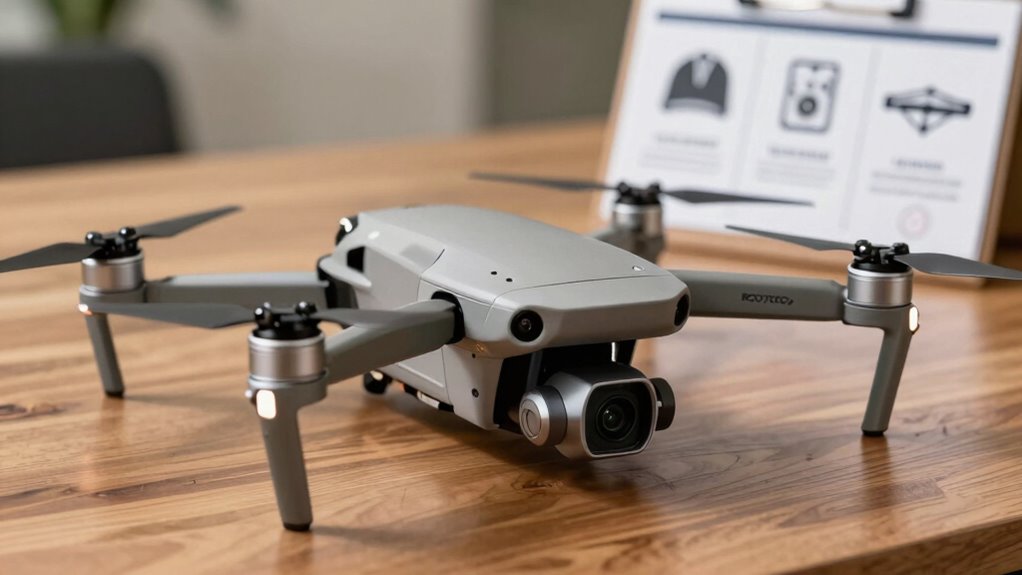

Before checkout, you need to understand key drone rules to fly safely and legally. Familiarize yourself with your country’s regulations, like maintaining visual line of sight and avoiding no-fly zones near airports, government buildings, or military bases. Check altitude limits and verify your drone is registered if required. Always perform pre-flight safety checks, avoid bad weather, and stay mindful of surroundings. Staying compliant protects others and yourself—there’s more to learn about responsible flying if you continue.
Prime for Young Adults — start your free trial
Fast free delivery, streaming and member deals for eligible 18–24 year olds.
As an affiliate, we earn on qualifying purchases.
Key Takeaways
- Familiarize yourself with country-specific regulations, including registration and altitude limits.
- Identify no-fly zones and restricted airspace to avoid legal issues.
- Perform pre-flight safety checks on batteries, propellers, and control links.
- Maintain visual line of sight and avoid flying near obstacles or bad weather.
- Use safety features responsibly and follow guidelines to ensure safe, legal operation.
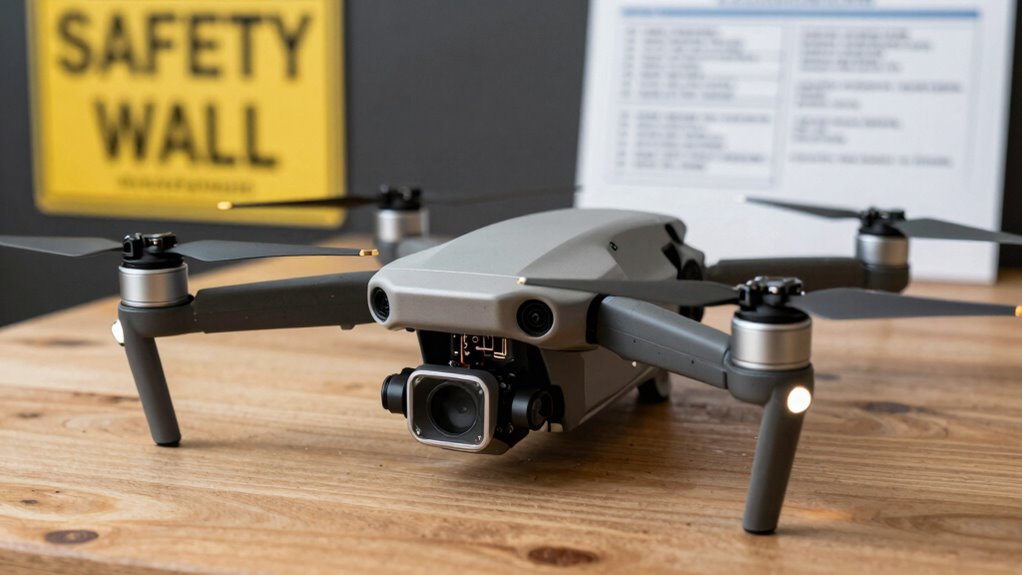
Buying a drone can be exciting, but before you hit checkout, it’s essential to understand the rules that govern drone use. Knowing the basics of legal compliance and safety precautions helps guarantee you enjoy your new gadget without any legal hiccups or accidents. First, familiarize yourself with the regulations set by your country’s aviation authority. In many places, such as the United States, the FAA requires drone operators to register their devices if they weigh over a certain limit. Failing to do so can lead to hefty fines or other penalties. Even if your drone is small and doesn’t need registration, you should still follow the rules, including keeping your drone within visual line of sight and avoiding flying near airports or restricted airspace.
Legal compliance isn’t just about registration; it also involves understanding where and when you can fly. Many regions have no-fly zones, such as near government buildings, military bases, or crowded public spaces. Ignoring these restrictions isn’t just dangerous—it can also land you in legal trouble. Always check local regulations before taking your drone out for a flight. Additionally, some areas have altitude limits—like 400 feet—to prevent interference with manned aircraft. Respect these rules to stay within legal boundaries and avoid potential fines or confiscation of your drone. It’s also helpful to stay informed about drone regulations that may change over time, as staying updated can prevent accidental violations.
Always check local regulations and respect no-fly zones and altitude limits before flying your drone.
Safety precautions are equally important. Before you launch, perform a thorough pre-flight check. Guarantee your drone’s batteries are fully charged, propellers are intact, and control links are functioning properly. Always fly in open areas away from people, pets, and obstacles. Remember, your drone can cause injuries or damage property if it crashes unexpectedly, so maintaining a safe flying environment is essential. Also, avoid flying in bad weather—wind, rain, or fog can impair your drone’s stability and visibility, increasing the risk of accidents. Being aware of no-fly zones and restricted airspace is crucial to avoid unintentional violations. Furthermore, understanding airspace classifications can help you determine safe and legal flying areas, ensuring you don’t unintentionally breach laws or endanger others.
During flight, keep your drone within your line of sight at all times. Use the drone’s built-in safety features, like return-to-home functions, when available, but don’t rely solely on technology. Be aware of your surroundings, including tall structures, power lines, or moving vehicles, which could pose hazards. In case of emergencies, know how to quickly land or cut power to your drone safely. Following safety precautions not only protects others but also preserves your drone and guarantees you stay within legal limits. By understanding and applying these rules, you’ll open up endless fun from your drone while keeping yourself and others safe.
As an affiliate, we earn on qualifying purchases.
Frequently Asked Questions
Are Drone Rules Different Internationally?
Yes, drone rules vary internationally, and you need to be aware of different regulations if you plan on cross-border flying. International regulations can include restrictions on altitude, no-fly zones, licensing requirements, and registration procedures. Before flying in another country, research specific rules to avoid legal issues. Always make sure you’re compliant with local laws, especially when crossing borders, to keep your flights safe and within legal boundaries.
What Are the Penalties for Non-Compliance?
If you don’t follow drone rules, you could face hefty fines and penalties, including legal action. Privacy violations are a serious concern, and authorities take them seriously, often imposing significant fines or even criminal charges. It’s essential to stay compliant by respecting privacy laws and airspace regulations. Ignoring these rules risks your drone privileges, financial penalties, and legal troubles, so always make sure you understand and adhere to your local drone laws.
Can I Fly a Drone at Night Legally?
Flying at night offers a thrilling perspective, but you must follow night flying regulations. Legally, you can operate your drone at night if it’s equipped with proper lighting, meeting drone lighting requirements, making your drone visible in low light. Always check local regulations, confirm your drone has lights turned on, and stay within visual line of sight. Ignoring these rules risks penalties and safety hazards.
Do I Need Insurance for Drone Flying?
You don’t always need insurance coverage to fly a drone, but it’s highly recommended for drone safety. Insurance can protect you from potential damages or liabilities if your drone crashes or causes harm. Check your local regulations, as some areas or commercial uses might require you to possess drone insurance. Having coverage gives you peace of mind and ensures you’re prepared for any unexpected incidents during your flights.
How Do I Register My Drone Properly?
They say “better safe than sorry,” so start with proper documentation. To register your drone, visit the FAA website and complete the drone registration process online. You’ll need to provide details like your name, address, and drone serial number. Pay the registration fee, then keep your registration number displayed on your drone. This guarantees you’re flying legally and responsibly, avoiding fines and penalties. Proper drone registration is key to smooth flying.
As an affiliate, we earn on qualifying purchases.
Conclusion
Understanding drone rules is essential before checkout, so you can fly responsibly and avoid fines. Did you know that over 100,000 drones were registered with the FAA in 2022 alone? That shows how popular drones are becoming. By familiarizing yourself with the rules now, you’ll guarantee safe flights and protect your investment. So, take a moment to review the guidelines—they’re your key to enjoying your drone adventures without any legal hiccups.
As an affiliate, we earn on qualifying purchases.
drone beginner safety accessories
As an affiliate, we earn on qualifying purchases.
As an affiliate, we earn on qualifying purchases.
Fall yard work Picks
leaf blowers
As an affiliate, we earn on qualifying purchases.