

TL;DR

Get everyday essentials delivered free with Prime
- Fast, free delivery on millions of items
- Prime Video, Amazon Music and more included
- Member-only deals all year
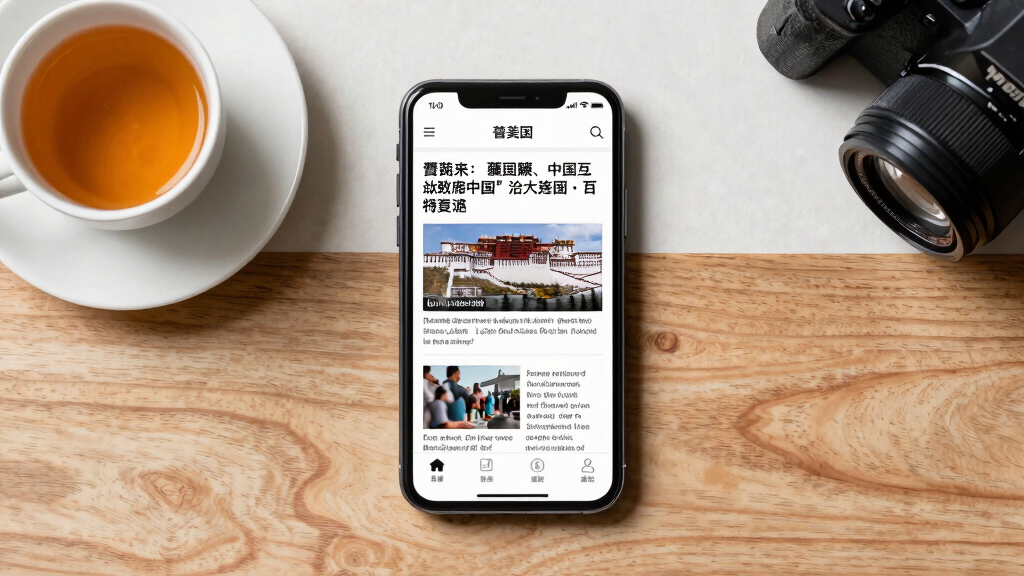
Tibet, or Xizang, China, has seen a notable spike in global media coverage, with GDELT documenting 40 mentions in a recent window—16 times higher than usual. This surge raises questions about recent developments and international interest.
Recent media analysis indicates a significant surge in international coverage of Tibet, also known as Xizang, China. According to GDELT, the region has been mentioned 40 times in recent media reports, a figure that is 16 times higher than the baseline. This increase in coverage is notable given Tibet’s historically limited international media attention and suggests a shift in global interest or emerging developments.
GDELT, a global media monitoring database, recorded 40 mentions of Tibet in a recent reporting window, marking a 16-fold increase compared to typical levels. The surge in mentions implies heightened media focus, though the specific reasons for this spike are not yet fully clarified. The coverage spans multiple countries and languages, indicating broad international attention. Learn more about Tibet’s global coverage.
Officials and analysts have not yet confirmed specific events driving this surge in media coverage of Tibet. Experts suggest that recent geopolitical tensions, anniversary dates, or diplomatic developments could be factors, but no official statements have been issued to confirm these causes. The increase in media mentions does not necessarily correspond to a particular incident but highlights a growing curiosity or concern about Tibet’s situation on the global stage.
Implications of Increased Global Media Focus on Tibet
The rise in international media coverage of Tibet may influence diplomatic relations, international perceptions, and potentially impact ongoing discussions about regional autonomy and human rights. Increased attention can lead to more international scrutiny or diplomatic engagement, affecting China’s foreign relations. For Tibet, this surge could either bring greater awareness to local issues or escalate tensions depending on the nature of coverage.
Popular right now

KitchenAid 5.5-Qt Bowl-Lift Stand Mixer, Porcelain White (KSM55SXXX)

Shark HydroVac MessMaster Corded Wet Dry Vacuum and Mop (WD161)

LG 85-Inch QNED73B Mini LED 4K Smart TV (2026)
As an affiliate, we earn on qualifying purchases.
Recent Trends in Tibet’s International Media Presence
Historically, Tibet has received limited international media coverage outside of major geopolitical or human rights issues. The recent spike, as recorded by GDELT, marks a departure from this pattern, possibly reflecting new developments or increased diplomatic activity. Past surges in coverage have often coincided with anniversaries, protests, or diplomatic statements, but specific triggers for this current increase remain unconfirmed.
China maintains strict control over media narratives related to Tibet, and the recent coverage surge could be influenced by external factors or emerging international interest. Analysts note that increased mentions do not automatically translate into policy changes but do indicate a shift in media focus.
Unconfirmed Causes Behind the Media Coverage Surge
It is not yet clear what specific events or developments have triggered the surge in Tibet-related media mentions. Officials have not confirmed any recent incidents, and the reasons for increased international focus remain speculative. Analysts suggest possible factors such as geopolitical tensions, diplomatic anniversaries, or external advocacy efforts, but no definitive cause has been established.
Monitoring for Official Statements and Developments
Experts will watch for official statements from Chinese authorities, international organizations, or media outlets to clarify the reasons behind the coverage surge. Further media analysis and diplomatic signals in the coming weeks may reveal whether this attention indicates upcoming policy changes, increased diplomatic engagement, or ongoing tensions. Researchers will also analyze whether the coverage sustains or diminishes over time.
Key Questions
What is causing the surge in media coverage about Tibet?
It is currently unknown. Experts suggest it could be related to geopolitical tensions, anniversaries, or diplomatic developments, but no official explanation has been provided.
Does increased media coverage mean there are new conflicts or issues?
Not necessarily. Increased coverage indicates heightened interest or concern but does not confirm specific conflicts or incidents.
How significant is this surge compared to past coverage?
The recent mentions are 16 times higher than usual, marking a notable deviation from typical media attention on Tibet.
Could this affect China’s diplomatic relations?
Potentially. Greater international attention might influence diplomatic discussions or lead to increased scrutiny, but the impact remains uncertain at this stage.
When will we know more about what caused this surge?
Further developments, official statements, or media analysis over the coming weeks will clarify the reasons behind the increased coverage.
Source: gdelt