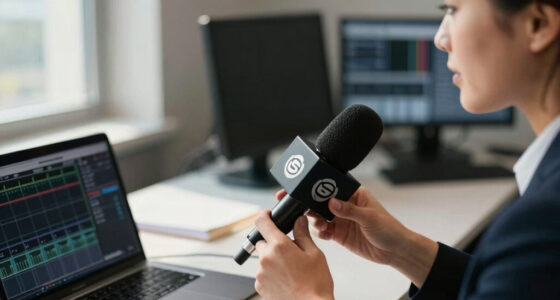
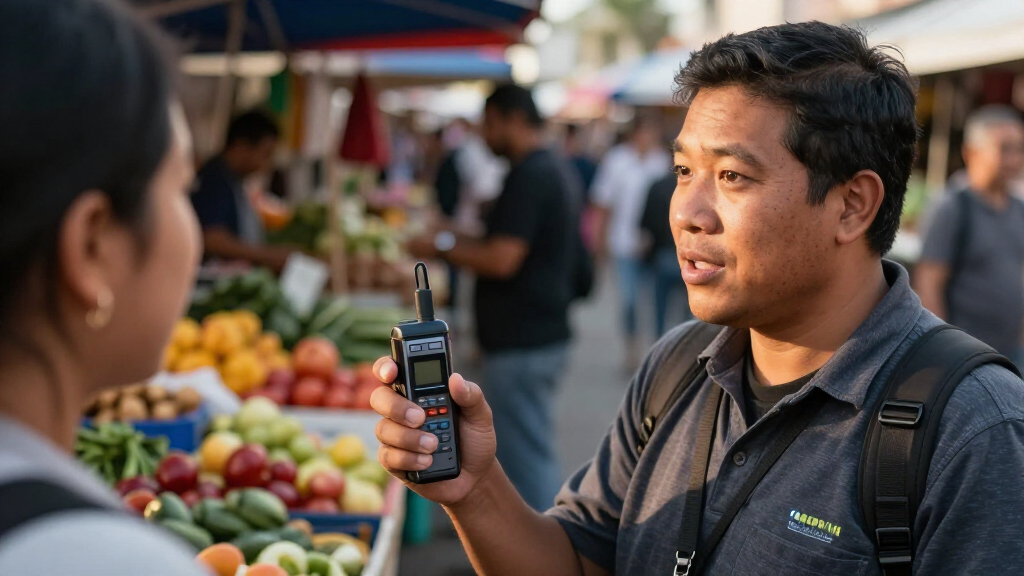
The Zoom PodTrak P4 is my best overall pick among portable podcast audio recorders because its podcast-focused controls and multiple inputs suit many interview setups. For simpler solo or stereo recording, the Zoom H1essential keeps the kit compact, while the Zoom H4 Essential offers a more flexible handheld format. The main tradeoff is between dedicated podcast features, small size, and broader recording versatility. Connection needs matter too: XLR microphones, built-in mics, and computer-interface use call for different recorders. Read on for the full breakdown and help matching each option to your recording style.

Get everyday essentials delivered free with Prime
- Fast, free delivery on millions of items
- Prime Video, Amazon Music and more included
- Member-only deals all year
Key Takeaways
- The PodTrak P4 is the strongest all-round podcast choice in this lineup, while the P4next offers a newer alternative for buyers comparing dedicated podcast workflows.
- Recorder format matters more than a long feature list: PodTrak models focus on multi-person podcast setups, while the H1 and Xvive options favor compact, grab-and-record use.
- The H4 Essential offers a middle ground for creators who want a handheld recorder with broader recording flexibility than the smaller H1 models.
- The H1 XLR targets a different need from the H1essential: its XLR-focused setup suits external microphones, while the H1essential is better aligned with straightforward stereo capture.
- Bundled accessories can reduce setup friction, but the H1essential bundle only makes sense if its case, windscreens, and tripod fit the way you record.
| Xvive XV1-R Portable Stereo Recorder and Audio Interface |  | Best for Flexible Stereo Recording | Recording formats: HE-AAC, AAC-LC, WAVF32, WAV 24-bit PCM | Maximum recording rate: Up to 96 kHz | Storage: microSD, microSDHC, or microSDXC up to 128 GB | VIEW LATEST PRICE | See Our Full Breakdown |
| Zoom H4 Essential Handheld Recorder |  | Best for XLR Flexibility on Location | Tracks: 4 | Inputs: Two XLR/TRS inputs | Built-in microphones: Stereo | VIEW LATEST PRICE | See Our Full Breakdown |
| Zoom PodTrak P2 Podcast Recorder |  | Best for Two-USB-Mic Setups | Microphone inputs: 2 USB | Headphone outputs: 2; 3.5 mm headphone jack | Recording format: WAV, mono | VIEW LATEST PRICE | See Our Full Breakdown |
| Zoom PodTrak P4 Portable Podcast Recorder |  | Best for Multi-Guest Podcasts | Microphone inputs: 4 XLR inputs with phantom power | Headphone outputs: 4 with individual volume control | Sound pads: 4 programmable | VIEW LATEST PRICE | See Our Full Breakdown |
| Zoom H1essential Stereo Recorder |  | Best Compact Recorder for Beginners | Microphone: Built-in X/Y stereo microphones | Recording format: WAV, 32-bit float | Storage: SD card; supports up to 1 TB | VIEW LATEST PRICE | See Our Full Breakdown |
| Zoom H1 XLR 2-Channel Portable Recorder |  | Best for External Microphones | Channels: 2 | Recording format: WAV | Maximum recording resolution: 32-bit float / 96 kHz | VIEW LATEST PRICE | See Our Full Breakdown |
| Zoom H1essential Portable Recorder Bundle with Case, Windscreens, and Tripod |  | Best Starter Field-Recording Bundle | Recording: 32-bit float WAV, up to 96 kHz | Microphones: Built-in X/Y stereo microphones | Maximum sound pressure level: 120 dB SPL | VIEW LATEST PRICE | See Our Full Breakdown |
| Zoom PodTrak P4next Podcast Recorder |  | Best for Multi-Mic Podcasts | Microphone inputs: 4 XLR | Headphone outputs: 4, with separate volume controls | Maximum gain: +70 dB | VIEW LATEST PRICE | See Our Full Breakdown |
| Xvive XV1-R Portable Stereo Audio Recorder with 32-Bit Float and X/Y Microphones |  | Best Compact Recorder for Loud Environments | Recording formats: WAV (32-bit float or 24-bit PCM); AAC | Maximum sample rate: 96 kHz | Microphones: Built-in X/Y directional microphones | VIEW LATEST PRICE | See Our Full Breakdown |
| portable podcast audio recorder | Storage |
|---|---|
| Xvive XV1-R Portable Stereo Re | microSD, microSDHC, or microSDXC up to 128 GB |
| Zoom H4 Essential Handheld Rec | SD card |
| Zoom PodTrak P2 Podcast Record | SD card capacity up to 1 TB |
| Zoom PodTrak P4 Portable Podca | Up to 1 TB |
| Zoom H1essential Stereo Record | SD card; supports up to 1 TB |
| Zoom H1 XLR 2-Channel Portable | — |
| Zoom H1essential Portable Reco | SD card |
| Zoom PodTrak P4next Podcast Re | — |
| Xvive XV1-R Portable Stereo Au | MicroSD card up to 128 GB |
More Details on Our Top Picks
Xvive XV1-R Portable Stereo Recorder and Audio Interface
I’d choose the Xvive XV1-R when a portable podcast setup needs both standalone stereo recording and a USB-C connection to a computer. Its 24-bit or 32-bit float recording up to 96 kHz, limiter, noise gate, and lo-cut filter give it more recording control than the simpler Zoom H1essential, while its 1/8-inch input can accommodate a stereo mic or line source. It also works as an audio interface, making it useful for moving between field capture and a desk setup.
The tradeoff is that this is a stereo recorder, not a multi-mic podcast mixer: it lacks the multiple XLR inputs and headphone feeds of the Zoom PodTrak P4. Two AA batteries offer a practical backup-power option, but add replacement and carry considerations; the small display may also be harder to read in bright conditions.
Pros:- Records 24-bit integer or 32-bit float audio at rates up to 96 kHz
- Limiter, noise gate, and lo-cut filter provide useful control over common recording problems
- Records to microSD and also works as a USB-C audio interface
- Up to 12 hours of operation on standard AA batteries
Cons:- Two AA batteries add bulk and require replacements or recharging
- Small display may be difficult to read in bright lighting
- Stereo-focused input setup is less suited to recording several podcast guests on separate microphones
Best for: Solo podcasters and interviewers who want stereo field recording, basic input processing, and USB-C interface use in one compact recorder.
Not ideal for: Multi-person podcast teams needing several XLR microphones, separate headphone volume controls, or built-in remote-call routing.
- Recording formats:HE-AAC, AAC-LC, WAVF32, WAV 24-bit PCM
- Maximum recording rate:Up to 96 kHz
- Storage:microSD, microSDHC, or microSDXC up to 128 GB
- Input/output:Stereo 1/8-inch mic/line input and line-level output
- USB:USB-C for data and power
- Power:Two AA alkaline or NiMH rechargeable batteries; up to 12 hours
- Maximum SPL:130 dB
- Weight and dimensions:8.4 oz; 8.15 × 4.17 × 1.65 in
Our verdict“Choose the XV1-R if you want flexible stereo field recording and USB-C interface functionality, but pick the PodTrak P4 for a multi-microphone podcast table.”
Zoom H4 Essential Handheld Recorder
The Zoom H4 Essential is the stronger fit when a portable podcast recorder must handle both quick stereo capture and external microphones. Its built-in stereo microphones and two XLR/TRS inputs let a host record a location sound bed or connect mics and instruments without bringing a separate interface. Four-track recording also gives more room to separate sources than the stereo-focused Xvive XV1-R.
USB-C supports recording or streaming to another device, and the recorder can save to an SD card at the same time, giving a session a local backup. Spoken menu guidance is a practical advantage for accessible operation. The tradeoff is that the listed details don’t specify battery life or storage capacity, so I can’t rank it as confidently for long, power-sensitive trips. It also offers fewer external mic inputs than the Zoom PodTrak P4’s four XLR channels.
Pros:- Combines built-in stereo microphones with two XLR/TRS inputs
- Four-track recording can separate sources more effectively than a basic stereo recorder
- USB-C supports recording or streaming to a connected device
- Spoken menu guidance supports accessible navigation
Cons:- Two external inputs limit how many guests can use separate microphones compared with the PodTrak P4
- Battery life and SD card capacity are not specified in the supplied product details
- Its broader input and recording setup may be more than a solo host needs
Best for: Mobile interviewers, musicians, and podcast hosts who need two XLR/TRS inputs alongside built-in stereo mics and a portable recording workflow.
Not ideal for: Podcast crews with three or four separately miked speakers, or buyers who need confirmed battery-life and storage-capacity figures before choosing.
- Tracks:4
- Inputs:Two XLR/TRS inputs
- Built-in microphones:Stereo
- Connectivity:USB-C
- Storage:SD card
- Recording options:Records with built-in microphones or external mics and instruments
- Accessibility:Spoken menu guidance
Our verdict“Pick the H4 Essential if you need built-in stereo capture plus two external XLR/TRS sources, but choose the PodTrak P4 for a larger mic setup.”
Zoom PodTrak P2 Podcast Recorder
I’d point USB-microphone users toward the Zoom PodTrak P2 rather than the XLR-centered PodTrak P4. It accepts two USB microphones and provides two headphone outputs, so a host and guest can monitor without requiring XLR mics. Built-in tone, compressor, de-esser, and AI noise reduction offer voice-focused processing, while Mix-Minus helps prevent echo on remote guest calls. It can also stream while recording to an SD card, a useful safeguard for a live session.
The central compromise is mono recording, which makes it less suitable for stereo field sound than the Zoom H1essential or Xvive XV1-R. Its four-AA battery life is listed at up to four hours, so longer remote sessions call for USB bus power or an AC adapter. This is a focused podcast hub, not the most versatile choice for recording instruments or multiple XLR sources.
Pros:- Connects two USB microphones and provides two headphone outputs
- Mix-Minus helps prevent echo during remote guest calls
- AI noise reduction and built-in voice effects support spoken-word recording
- Can stream while recording to an SD card
Cons:- Records in mono rather than stereo
- Battery life is up to four hours on four AA batteries
- USB microphone support makes it less suitable for conventional XLR podcast setups
Best for: Two-person podcast teams who already use USB microphones and want headphone monitoring, voice processing, and remote-call support.
Not ideal for: Hosts who need stereo recordings, XLR microphone inputs, or long battery-only recording sessions.
- Microphone inputs:2 USB
- Headphone outputs:2; 3.5 mm headphone jack
- Recording format:WAV, mono
- Storage:SD card capacity up to 1 TB
- Remote-call feature:Mix-Minus
- Power:Four AA batteries, USB bus power, or AC adapter
- Battery life:Up to 4 hours on four AA batteries
- Dimensions and weight:4.57 × 3.23 × 1.69 in; 7.04 oz
Our verdict“Choose the PodTrak P2 for a two-person USB-mic podcast with remote guests, but use the H1essential or XV1-R when stereo capture matters.”
Zoom PodTrak P4 Portable Podcast Recorder
For a roundtable or interview with several local speakers, I’d rank the Zoom PodTrak P4 ahead of the two-input H4 Essential and USB-focused PodTrak P2. Its four XLR inputs with phantom power support separate microphones, while four headphone outputs with individual volume controls let each person monitor at a comfortable level. Programmable sound pads and automatic Mix-Minus for phone or USB interviews make it a purpose-built podcast recorder rather than a general handheld field device.
That specialization has limits. The P4 is larger in function than a simple stereo recorder and its USB interface is listed as 2-in/2-out, so it is not a substitute for every multichannel computer setup. Battery operation is convenient away from an outlet, but the stated maximum is only 3.5 hours on two AA batteries. For solo stereo recording, the H1essential is a simpler and more direct fit.
Pros:- Four XLR inputs with phantom power accommodate separate microphones
- Four headphone outputs have individual volume controls
- Automatic Mix-Minus supports phone and USB remote interviews
- Multi-track WAV recording and programmable sound pads suit podcast production
Cons:- Battery life is up to 3.5 hours on two AA batteries
- USB interface is limited to 2-in/2-out
- More specialized for podcast production than simple stereo field recording
Best for: Podcast hosts recording up to four local XLR-mic speakers who need individual headphone control and phone or USB remote interviews.
Not ideal for: Solo travelers prioritizing a small stereo recorder, or crews needing long sessions without access to replacement batteries or USB power.
- Microphone inputs:4 XLR inputs with phantom power
- Headphone outputs:4 with individual volume control
- Sound pads:4 programmable
- Recording:Multi-track WAV
- USB interface:USB 2.0, 2-in/2-out
- Remote interview inputs:TRRS phone jack and USB; automatic Mix-Minus
- Power and battery life:Two AA batteries; up to 3.5 hours
- Storage:Up to 1 TB
- Dimensions and weight:6.1 × 4.41 × 1.85 in; 130 g
Our verdict“Choose the PodTrak P4 when several people need separate mics and headphone mixes; choose the H1essential for a simpler solo recording kit.”
Zoom H1essential Stereo Recorder
The Zoom H1essential is my pick for a new podcaster who wants a compact recorder without building a multi-mic rig. Its built-in X/Y stereo microphones and 32-bit float recording make it straightforward to capture interviews, room sound, or a host’s voice to an SD card. USB-C microphone mode also lets it serve as a computer or mobile-device mic, giving it more day-to-day flexibility than a recorder used only for field capture. Spoken menu guidance supports a simple operating workflow.
Compared with the Xvive XV1-R, the H1essential is smaller and lighter, but it has fewer listed input-processing tools and does not offer the XV1-R’s 1/8-inch mic/line input. It also cannot match the separate guest inputs and headphone controls of the PodTrak P4. Two AAA batteries and a separately supplied SD card add small setup tasks, while the compact screen leaves less room for viewing information.
Pros:- 32-bit float recording helps accommodate sudden changes in sound level
- Built-in X/Y microphones capture stereo without a separate mic
- USB-C microphone mode works with computers and mobile devices
- Compact 92 g body and spoken menu guidance suit portable, straightforward recording
Cons:- Requires two AAA batteries and a separate SD card
- Lacks the multiple external microphone inputs and headphone feeds of the PodTrak P4
- Small 2.8 cm screen offers limited viewing space
Best for: Solo podcasters, mobile interviewers, and beginners who want a lightweight stereo recorder that can also act as a USB-C microphone.
Not ideal for: Multi-guest podcast teams needing several external mics, or buyers who want included storage and a larger control display.
- Microphone:Built-in X/Y stereo microphones
- Recording format:WAV, 32-bit float
- Storage:SD card; supports up to 1 TB
- USB interface:USB-C microphone mode
- Headphone jack:3.5 mm
- Power and battery life:Two AAA batteries; up to 10 hours
- Screen:2.8 cm
- Dimensions and weight:5.38 × 2.12 × 1.14 in; 92 g
- Compatible devices:Camera, personal computer, and smartphone
Our verdict“Choose the H1essential for lightweight solo stereo recording and USB mic use, but step up to the PodTrak P4 for a multi-person podcast setup.”
Zoom H1 XLR 2-Channel Portable Recorder
The Zoom H1 XLR is the clearest fit here for podcasters who already own microphones and want a compact recorder built around them. Its two locking XLR/TRS combo inputs accept microphones or instruments, while 32-bit float recording gives more room to recover from unexpectedly loud or quiet takes. Compared with the Zoom H1essential bundle, this model prioritizes external inputs over convenient built-in X/Y recording and field accessories; it is also much smaller in scope than the four-mic Zoom PodTrak P4next.
The tradeoff is a two-channel ceiling: it suits a solo host or two-person conversation, not a multi-mic panel. It runs on two AA batteries, and its listed recording time is 18.5 hours. Choose it when mic connections matter more than onboard microphones or multiple headphone feeds.
Pros:- Two locking XLR/TRS combo inputs accommodate microphones and instruments.
- 32-bit float WAV recording offers flexibility when input levels vary.
- OLED waveform display provides a visual way to monitor recording.
- SDXC support accommodates cards up to 1 TB.
Cons:- Two input channels limit separate-mic recording to small setups.
- Requires two AA batteries.
- Listed recording time is 18.5 hours.
Best for: Solo podcasters and two-person interviewers who want to record with XLR microphones or instruments without carrying a larger mixer-style recorder.
Not ideal for: Hosts recording three or more people on separate microphones, or buyers who want built-in microphones and supplied field accessories.
- Channels:2
- Recording format:WAV
- Maximum recording resolution:32-bit float / 96 kHz
- Inputs:2 locking XLR/TRS combo inputs; 3.5 mm stereo input
- Memory support:SDXC cards up to 1 TB
- Power:2 AA batteries; up to 10 hours battery life
- Weight:6.4 ounces
- Dimensions:4.21 x 2.44 x 1.55 inches
Our verdict“Choose the H1 XLR if you want a small recorder for up to two external mics; pick the PodTrak P4next for a multi-person show.”
Zoom H1essential Portable Recorder Bundle with Case, Windscreens, and Tripod
This H1essential bundle makes the most sense for a new podcaster who wants to record on the move without assembling a small accessory kit separately. Its built-in X/Y microphones capture stereo sound, and 32-bit float recording reduces the pressure to set gain perfectly before a take. The included EVA case, furry and foam windscreens, and flexible tripod make it more ready for outdoor interviews than the Zoom H1 XLR, which instead favors connecting external microphones.
That convenience has limits: the included microphones are not a substitute for the H1 XLR’s two XLR/TRS inputs when a show depends on external mics. This is a stereo recorder, not a multi-mic podcast station, and the added accessories take up more room than the recorder alone. It can also work as a USB microphone with compatible devices, but uses two AAA batteries for standalone recording.
Pros:- Built-in X/Y microphones allow recording without carrying separate mics.
- 32-bit float recording helps accommodate changing sound levels.
- Bundle includes an EVA case, two windscreens, and a flexible tripod.
- Can serve as a USB microphone with compatible devices.
Cons:- Built-in stereo recording does not provide the H1 XLR’s two XLR/TRS mic inputs.
- Bundle accessories add bulk compared with carrying the recorder alone.
- Requires two AAA batteries.
Best for: Beginning podcasters and mobile interviewers who want built-in stereo microphones plus basic wind protection and mounting accessories in one kit.
Not ideal for: Hosts who need multiple XLR microphones recorded on separate tracks, or travelers who want the smallest possible recorder setup.
- Recording:32-bit float WAV, up to 96 kHz
- Microphones:Built-in X/Y stereo microphones
- Maximum sound pressure level:120 dB SPL
- Storage:SD card
- Connectivity:USB-C; 3.5 mm audio
- Power:2 AAA batteries
- Bundle includes:Recorder, EVA case, furry windscreen, foam windscreen, flexible tripod
- Dimensions:5.38 × 2.12 × 1.14 inches
Our verdict“Pick this bundle for a ready-to-carry stereo interview kit, but choose the H1 XLR if your podcast depends on external XLR microphones.”
Zoom PodTrak P4next Podcast Recorder
For a roundtable or remote-in guest, the Zoom PodTrak P4next offers a different kind of portability from the handheld recorders in this group. It records up to four XLR microphones on separate tracks, gives each of four headphone outputs its own volume control, and supports phone connectivity and USB audio interface mode. That makes it far more suited to a small hosted show than the two-input Zoom H1 XLR or the built-in-mic H1essential bundle.
AI noise reduction and audio effects add tools for shaping the recording, while sound pads can support a more produced format. The tradeoff is size and role: this is a compact podcast production hub, not a pocket recorder for spontaneous stereo capture. Its listed digital recording time is 510 minutes, and the supplied details do not specify battery requirements, so plan around your power needs before taking it away from a desk.
Pros:- Records up to four XLR microphones on separate tracks.
- Four headphone outputs have individual volume controls.
- Phone connectivity and USB audio interface mode support remote and computer-based workflows.
- Noise reduction, effects, and sound pads provide podcast-focused production tools.
Cons:- More involved than a handheld stereo recorder for simple one-person field capture.
- Battery requirements are not specified in the provided product details.
- Listed digital recording time is 510 minutes.
Best for: Small podcast teams recording up to four XLR-mic voices, especially shows that use headphones, phone guests, and sound pads.
Not ideal for: Solo mobile recordists who mainly need built-in microphones, or buyers who need clearly stated battery requirements and long unattended recording sessions.
- Microphone inputs:4 XLR
- Headphone outputs:4, with separate volume controls
- Maximum gain:+70 dB
- Recording format:WAV
- Recording media:SD card; storage capacity up to 2 TB
- Digital recording time:510 minutes
- Weight:10.56 ounces
- Connectivity:Phone connectivity; USB audio interface mode
Our verdict“Choose the P4next for a portable four-mic podcast setup with individual headphone feeds, not for minimal solo field recording.”
Xvive XV1-R Portable Stereo Audio Recorder with 32-Bit Float and X/Y Microphones
The Xvive XV1-R is aimed at podcasters who record stereo sound directly and want a recorder that can handle loud sources as well as ordinary speech. Its built-in X/Y directional microphones are rated to 130 dB SPL, higher than the H1essential bundle’s stated 120 dB SPL, and it records WAV in 32-bit float or 24-bit PCM at up to 96 kHz. Auto-record and pre-record features can help capture a moment without relying solely on a perfectly timed start.
Like the H1essential, it can act as a USB microphone, but the XV1-R adds AAC recording and supports up to 12 hours of recording. Its main compromise is monitoring: there is no headphone jack, so checking audio while recording is less straightforward than on the Zoom H1 XLR. It also takes two AA batteries and supports microSD cards up to 128 GB, well below the H1 XLR’s stated card capacity.
Pros:- Built-in X/Y microphones are rated for sound levels up to 130 dB SPL.
- 32-bit float and 24-bit PCM WAV recording at up to 96 kHz.
- USB-C supports use as a microphone with computers and mobile devices.
- Auto-record, pre-record, and AAC recording offer flexible capture options.
Cons:- No headphone jack for direct monitoring.
- Requires two AA batteries.
- MicroSD support is limited to 128 GB, below the H1 XLR’s stated 1 TB capacity.
Best for: Mobile podcasters recording stereo interviews, events, or louder environments who value compact built-in microphones and USB microphone use.
Not ideal for: Recordists who need headphone monitoring while capturing audio, larger removable-card capacity, or separate XLR microphone inputs.
- Recording formats:WAV (32-bit float or 24-bit PCM); AAC
- Maximum sample rate:96 kHz
- Microphones:Built-in X/Y directional microphones
- Maximum sound pressure level:130 dB SPL
- Storage:MicroSD card up to 128 GB
- USB microphone sample rate:48 kHz
- Maximum recording time:12 hours
- Display:1.7 inches
Our verdict“Choose the XV1-R for compact stereo recording in loud settings, but skip it if headphone monitoring or external XLR mics are part of your workflow.”
How We Picked
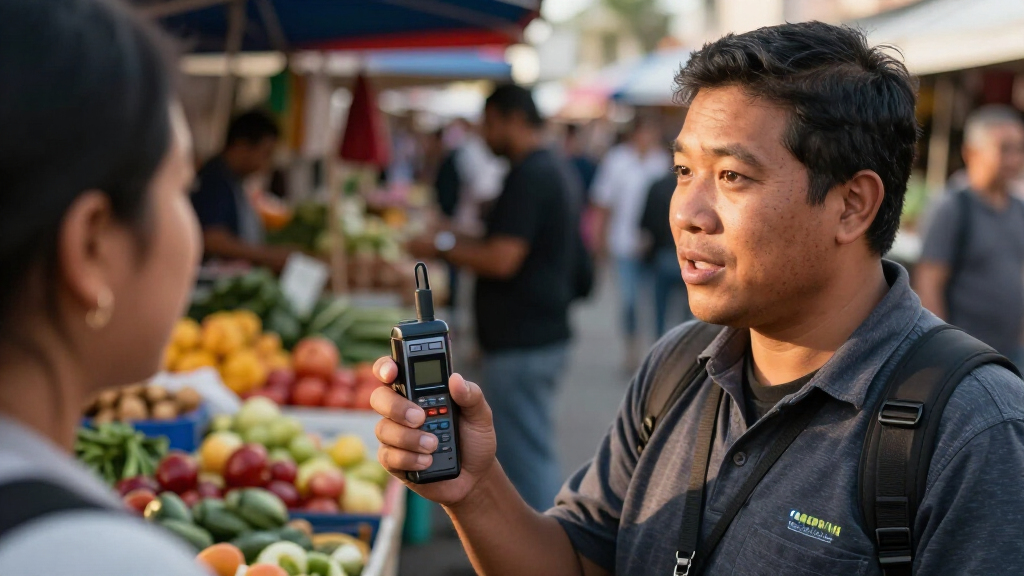
I ranked these recorders by how well they serve portable podcast work, not by how many features appear on a spec sheet. My criteria included microphone and input flexibility, ease of setting up a solo or multi-person session, portability, recording control, and how readily each device can fit into a mobile workflow. I also weighed whether a recorder’s design serves podcasting directly or asks the buyer to adapt a general-purpose handheld recorder.
That puts the PodTrak P4 first for its podcast-centered approach and broad usefulness across common interview setups. The H4 Essential and P4next follow for buyers who want different balances of general recording flexibility and podcast-specific operation. Compact H1 models and the Xvive recorders rank lower for multi-microphone podcasting, but can be better choices when portability or straightforward stereo capture matters more than a larger input setup. I treat the bundled H1essential as a convenience option rather than a distinct recording upgrade.
| portable podcast audio recorder | Storage |
|---|---|
| Xvive XV1-R Portable Stereo Re | microSD, microSDHC, or microSDXC up to 128 GB |
| Zoom H4 Essential Handheld Rec | SD card |
| Zoom PodTrak P2 Podcast Record | SD card capacity up to 1 TB |
| Zoom PodTrak P4 Portable Podca | Up to 1 TB |
| Zoom H1essential Stereo Record | SD card; supports up to 1 TB |
| Zoom H1 XLR 2-Channel Portable | — |
| Zoom H1essential Portable Reco | SD card |
| Zoom PodTrak P4next Podcast Re | — |
| Xvive XV1-R Portable Stereo Au | MicroSD card up to 128 GB |
Factors to Consider When Choosing Portable Podcast Audio Recorders
Before choosing a recorder, I would map out the session you actually expect to record: the number of speakers, the microphones you already own, and whether you need to edit on a computer afterward. Those details often matter more than portability claims alone. These factors can help you avoid paying for inputs you will not use—or buying a compact recorder that cannot connect to your planned setup.
Count speakers and microphone connections
Start with the largest session you expect to record, not the one-person setup you have today. A recorder with built-in stereo microphones can suit solo narration or ambient capture, but it may not provide the separate microphone connections needed for several guests. Separate inputs give you more control when balancing voices in editing, though they can add cables and setup time. Think through whether guests will bring their own microphones or use yours. A common mistake is counting microphone sockets but overlooking headphone monitoring and the accessories needed to connect each mic. Pick for your realistic maximum, then avoid carrying extra hardware if most sessions are small.
Choose between podcast controls and general recording flexibility
Dedicated podcast recorders are designed around common show tasks, while handheld recorders can be more adaptable for interviews, location sound, or music. A purpose-built layout may make guest connections and session controls easier to manage, especially when you are hosting and recording at once. General-purpose units can be a better fit if your recording needs change often, but you may need to plan the workflow yourself. Ask whether you want the recorder to support a repeatable podcast routine or serve as a multi-use audio tool. Buying a feature-rich device for flexibility can be worthwhile, but only if you will use that flexibility. For a fixed two-person show, simple and familiar controls can matter more than extra modes.
Match portability to the recording environment
Portable does not mean the same thing for every creator. A pocketable unit is convenient for travel and quick voice notes, while a larger recorder may be easier to operate when several microphones are connected on a table. If you record outdoors, plan for wind protection, stable placement, and a way to monitor your sound; a small recorder alone does not solve those problems. For travel, count the full kit—cables, batteries or power supplies, headphones, and any stand—not just the recorder. A bundle may save packing decisions when its included accessories suit your routine, but unused extras add bulk. Choose the smallest setup that still handles your actual recording conditions.
Decide how much control you need over each voice
Separate microphone channels make it easier to adjust individual speakers during editing, while a simpler stereo recording can reduce setup and post-production work. Neither approach is automatically better: a conversational show with consistent voices may be fine with a straightforward mix, while guests with different speaking levels benefit from more control. Consider how much editing you are willing to do after recording. Recording each speaker separately can help with corrections, but it also creates more tracks to manage. Before buying, sketch a sample session from plugging in to exporting the finished audio. That exercise can reveal whether you need more input control or a simpler path from recording to publishing.
Treat computer connectivity as a workflow decision
Some creators want a recorder that can also serve as a computer audio interface; others prefer to record to the device and transfer files later. The first workflow can support live streaming or recording directly into computer software, but it ties the session to more cables and settings. Standalone recording can be easier to take on location and may keep the recording independent of computer hiccups. Check that the device fits your intended connection method and the software you plan to use rather than assuming every recorder behaves the same way. Also think about backup habits: a portable recorder does not replace a clear file-copy and storage routine. Choose the workflow you can repeat reliably when a guest is waiting.
Pay for features that solve a recurring problem
More inputs, bundled accessories, and advanced recording options are useful only when they address a need you encounter regularly. Paying for extra channels can make sense if your show has rotating guests, but it adds setup complexity if you usually record alone. A case, windscreen, or tripod can be worthwhile when it fills a real gap in your kit; otherwise, buying accessories separately lets you choose pieces that fit your recording environment. Compare the full setup you need, not just the recorder body. Leave room in your decision for headphones, cables, and microphone stands, which can shape usability as much as the recorder itself. The best fit is the one that removes a recurring bottleneck without complicating every session.
Frequently Asked Questions
Should I choose a dedicated podcast recorder or a handheld stereo recorder?
I would choose a dedicated podcast recorder when sessions regularly involve multiple people, external microphones, or hands-on show controls. A handheld stereo recorder is usually a better match for solo voice capture, quick interviews, or recording a live environment with minimal setup. Think about whether you need separate control over each speaker; a single stereo recording can be simpler, but it offers less flexibility when one voice is too quiet. Also account for the physical setup: several microphones mean more cables and more equipment to carry. The right choice follows your session format, not the word “podcast” on the product name.
Can one portable recorder handle both in-person podcasts and computer recording?
Some recorders can support more than one workflow, but I would check the specific connection options and operating modes before buying. A device that records on its own may suit travel sessions, while computer connectivity can help with live streaming or recording directly into software. These modes can require different cables, settings, and monitoring arrangements, so switching between them is not always effortless. Decide which workflow you will use most often and treat the other as a bonus only if it is clearly supported. For a mobile show, standalone recording can also reduce dependence on a laptop during the interview.
Is 32-bit float recording worth prioritizing for podcast interviews?
It can be useful when speakers change volume unexpectedly or you are recording in a setting where it is hard to adjust levels in real time. It does not fix a bad microphone position, room echo, wind noise, or a recording made with the wrong input. For a controlled studio-style interview, clean gain setup and consistent mic technique may matter more. Consider whether you often record unpredictable guests or field conversations before making this a deciding feature. If you do, the added flexibility may reduce the risk of level-related problems, but it does not replace monitoring and good recording habits.
Do I need a separate microphone for a portable podcast recorder?
Not always: recorders with built-in microphones can capture solo speech, quick interviews, or stereo ambience without a separate mic. External microphones can give you more placement choices and may suit a recurring multi-person show better, but they bring stands, cables, and additional setup. Think about the room as well as the recorder; a built-in mic placed far from a speaker can capture more room noise and less clear speech. If you plan to add guests, check the recorder’s supported inputs before buying microphones. Starting with the built-in option can be sensible if your first priority is a compact, simple kit.
Is the Zoom H1essential bundle a better choice than buying the recorder on its own?
The bundle is a better fit when you will use its case, windscreens, and tripod as part of your regular kit. Those accessories can make transport and basic placement easier, particularly for quick field sessions. If you already own a suitable case or stand, or need different wind protection, the included pieces may add little value to your setup. Compare the bundle’s contents with the accessories you actually lack rather than treating a larger package as an automatic upgrade. The recorder itself remains the main decision; the bundle changes convenience, not the core recording role.
Conclusion
For most creators building a portable interview setup, I recommend the Zoom PodTrak P4 as the best overall because its podcast-centered approach fits a wide range of sessions. The Zoom H1essential is my best value-style choice for compact, straightforward recording, while the Zoom H4 Essential is my best premium-leaning pick for buyers who want a more flexible handheld recorder. Beginners who expect to connect multiple podcast microphones should start with the PodTrak P4; beginners recording solo can keep things simpler with the H1essential. For a podcast-first workflow with a different dedicated option, compare the PodTrak P4next; for XLR-focused or stereo capture needs, look at the H1 XLR or Xvive models. Match the recorder to your speaker count and recording routine, and the right choice should become clear.
Halloween Picks
halloween
As an affiliate, we earn on qualifying purchases.